Product Introduction
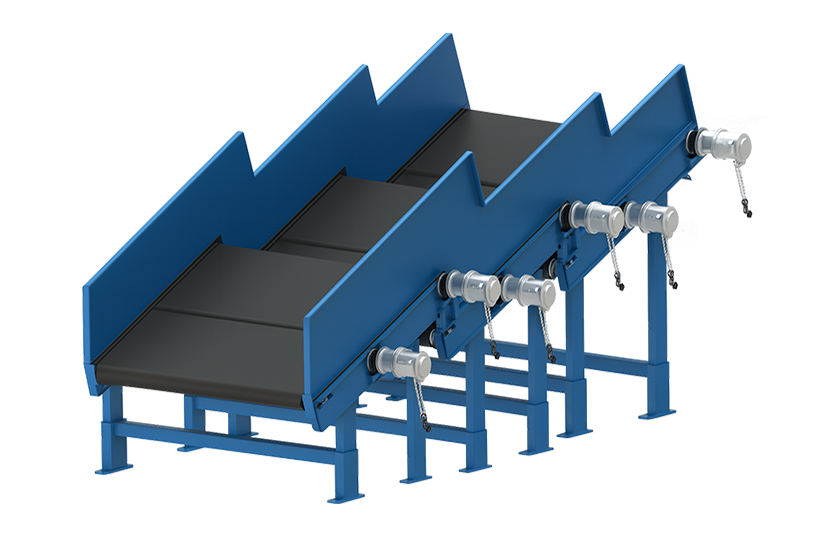
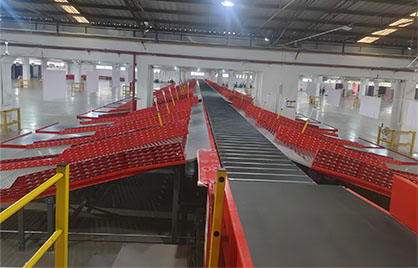
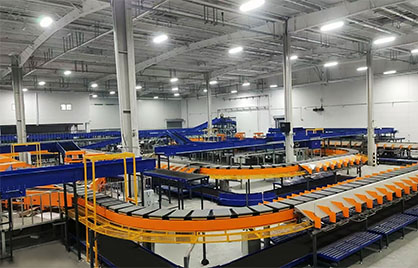
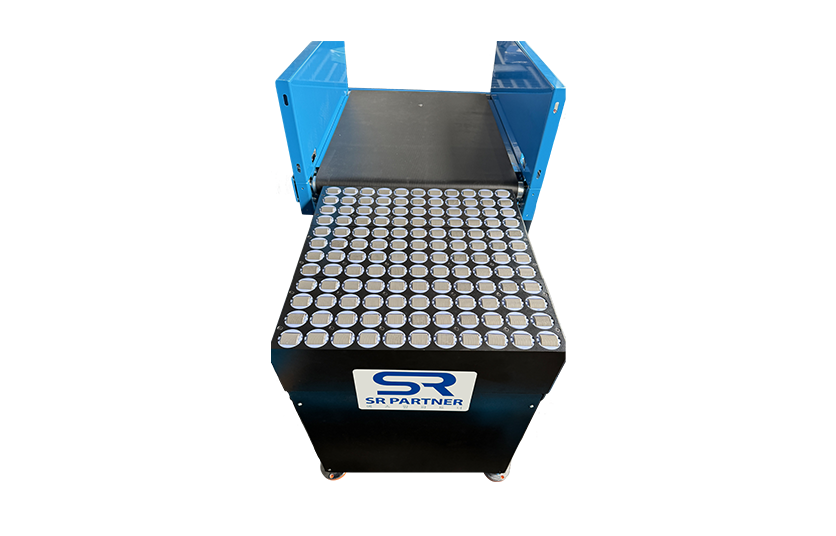
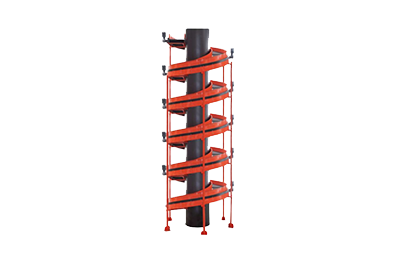
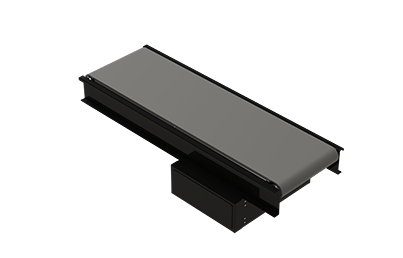
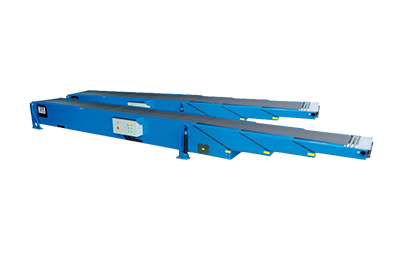
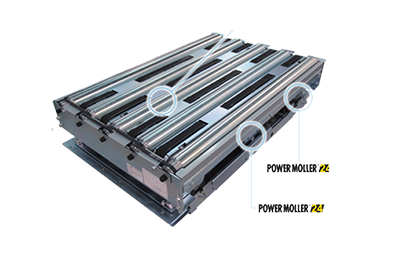
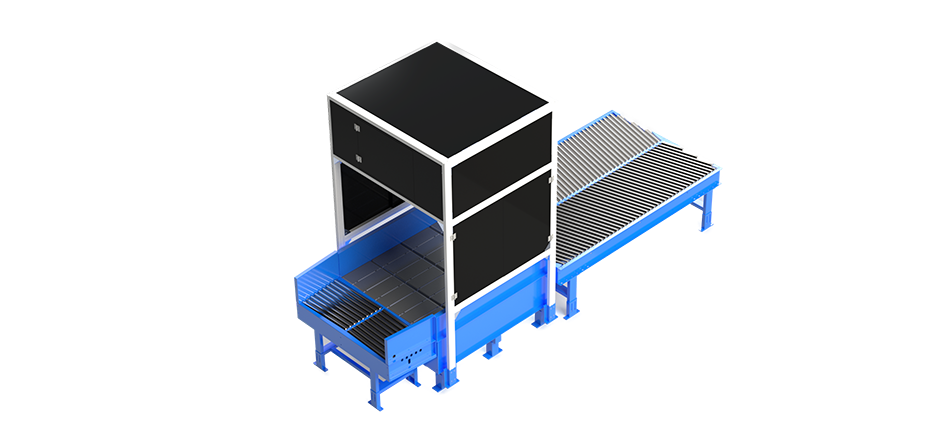
As a core component of a logistics automation sorting system, the segregator is responsible for handling the pre-processing tasks of the cargo, automatically separating the cargo arranged in parallel, and ensuring that the cargo can be transported in an orderly manner from the front to the rear processing stages.
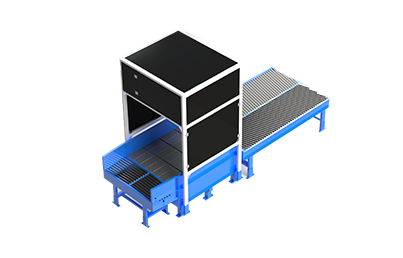
The segregator system uses the WZ-GE industrial camera as a core component, integrating its self-developed image processing technology and deep learning algorithms to implement real-time accurate tracking of package positions. The system, through the cooperative control of the software, commands each control unit, automatically executing tasks such as cargo separation, tension adjustment, and smart queuing to align unordered cargo in a row according to the set pitch, and organically transporting it to the downstream automated sorting equipment. Additionally, the system's built-in ISP smart algorithm can accurately recognize important information such as the shape, color, and position of the cargo.
The system supports high-frame image preview and high-definition image shooting even in a low-power consumption state.
Product Features
Labor-saving or workforce reduction
The singulator is a core component of a logistics automation sorting system, responsible for the pre-processing tasks of the cargo. It automatically separates the parallelly arranged cargo, ensuring that the cargo can be transported in order from the front processing stage to the rear processing stages.
The theoretical processing efficiency of standard equipment is 4,000 units per hour (based on standard small package logistics), and the labor supply efficiency is approximately 1,000 to 1,300 units per hour. Based on this standard, a single unit separator can replace 3 to 4 personnel. It can respond without additional staff to increased volume, thereby reducing long-term investment costs.
Efficiency improvement
The singulator plays a core role in the automatic matrix sorting system, significantly enhancing the overall efficiency of the system. It overcomes the limitations of production capacity and optimizes productivity per square unit.